
AC and DC resistive load banks.
Purely resistive load banks that put a controlled, measurable load on diesel generators, UPS systems, battery banks and other power sources — AC units from 1 kW to 2 MW and DC units at 12, 24, 48 or 96 V as standard, in portable and stationary formats.
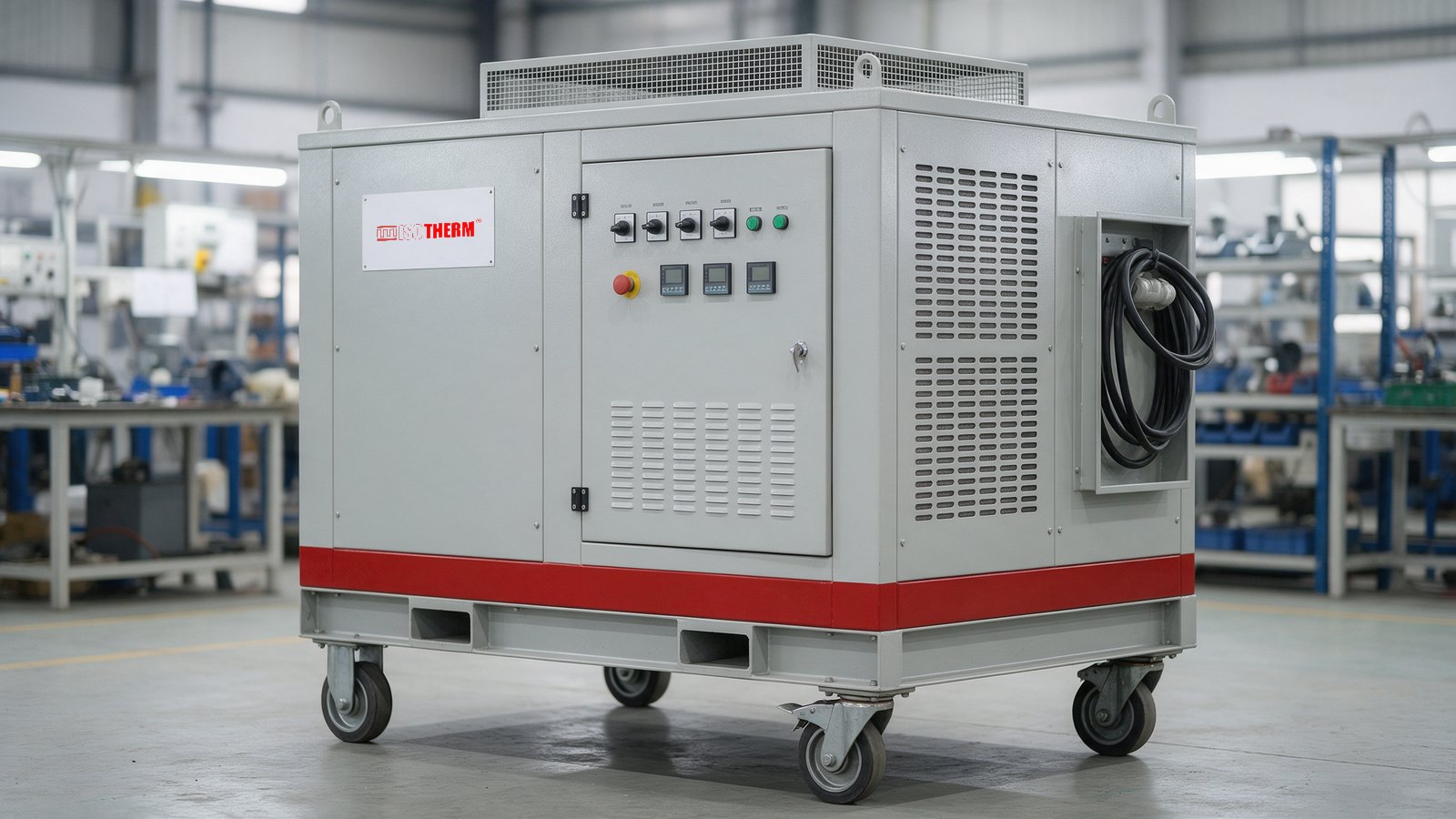
Load banks, engineered to your test.
Every load bank is built to order — share the equipment you need to test, AC or DC, the load required, your supply voltage and the site, and our engineers build to it.
Portable AC Load Banks
Stationary Outdoor AC Load Banks
DC Resistive Load Banks
Custom-Built Load Banks
From compact portable to large stationary.
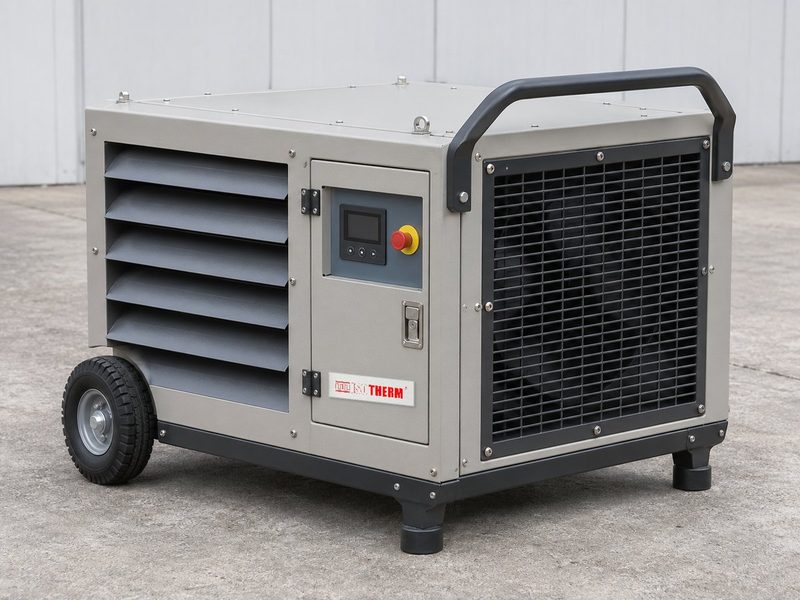
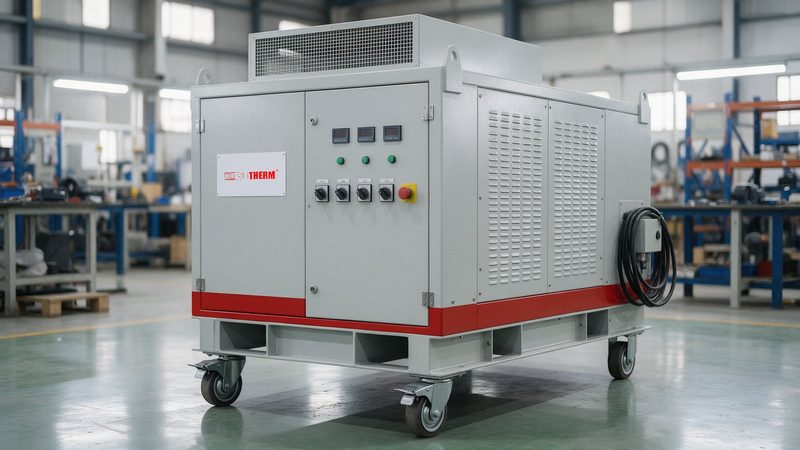
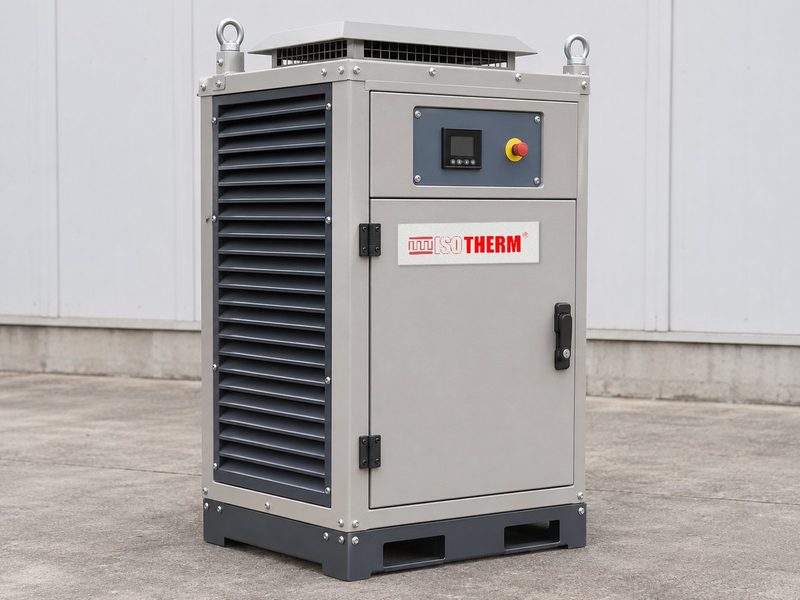
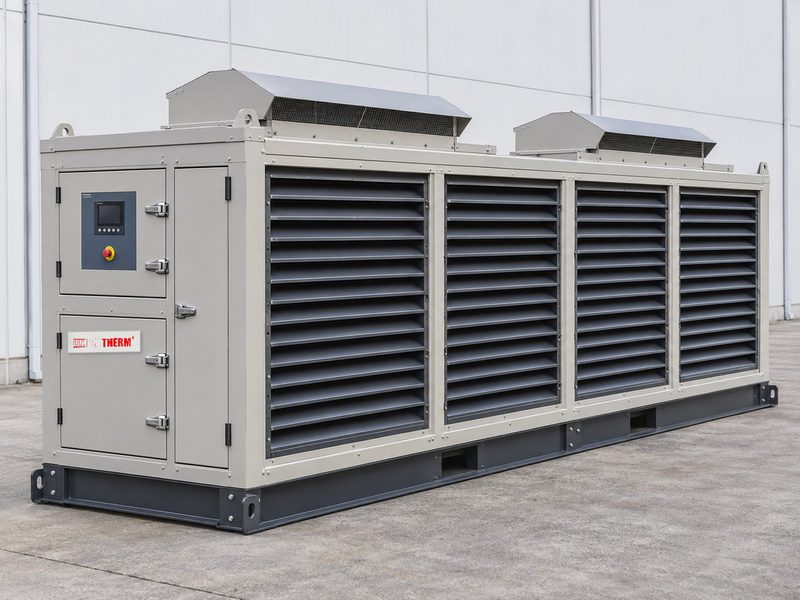
Representative images. Every load bank is built to order.
Configured to your requirement.
Each load bank is specified with you before it is built, so it matches the equipment you test and the place it will work.
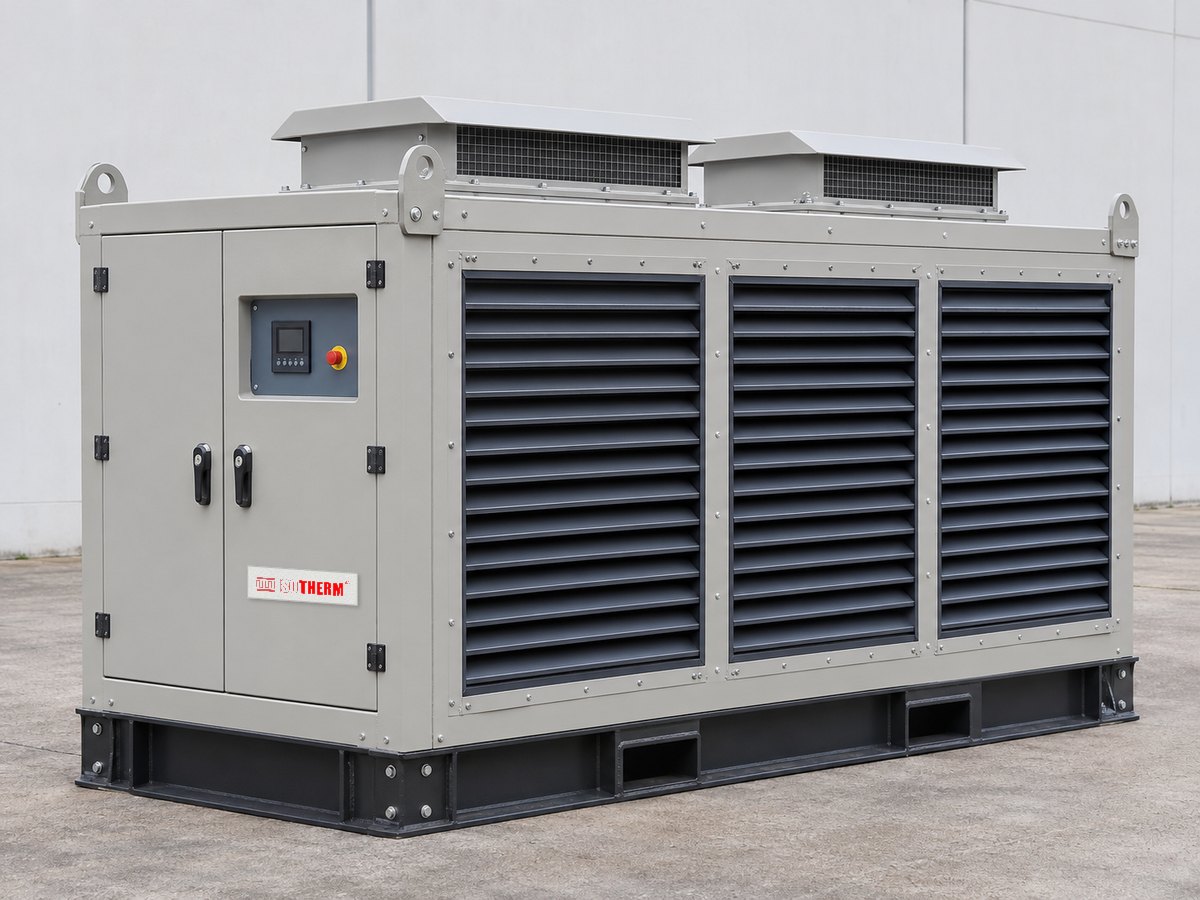
- Rating & supplyAC units from 1 kW to 2 MW at your voltage, phase and frequency; DC units at 12, 24, 48 or 96 V as standard, or other voltages to order. Load rating in kW to your requirement.
- Load stepsStep sizes arranged to suit your test procedure, from fine trim steps to large load blocks.
- Resistive elementsElement type and construction selected for the duty cycle and the operating environment.
- CoolingFan-cooled, with the air discharge direction arranged to suit the installation.
- EnclosurePortable or stationary, indoor or outdoor, with a protection rating to suit the site.
- Controls & meteringFrom manual step switches to PLC-based control, with metering and data logging as required.
- ProtectionsSpecified for each order — typically cooling-air and over-temperature trips, step fusing and an emergency stop.
Where these load banks are put to work.
Choosing the right capacity.
For AC generator testing, start from the generator rating. For DC load banks, share the battery or system voltage, the discharge current or power, and the test duration.
| Generator rating | Full load at 0.8 PF |
|---|---|
| 62.5 kVA | 50 kW |
| 125 kVA | 100 kW |
| 250 kVA | 200 kW |
| 500 kVA | 400 kW |
| 1,000 kVA | 800 kW |
| 2,500 kVA | 2,000 kW |
- Start from the source rating. For a generator, multiply the kVA rating by its power factor (usually 0.8) to find full load in kW.
- Allow for overload tests. If your test procedure includes an overload step, such as 110%, size the load bank above full load.
- Match the voltage. A load bank delivers its rated kW at its rated voltage; used at a lower voltage, it applies less load.
- Set the load steps. Choose steps that reach each test point in your procedure, for example 25, 50, 75 and 100%.
This table is a general guide. Our engineers confirm the rating, steps and configuration for each enquiry.
Load bank FAQs.
What is a resistive load bank?
It is a bank of resistive elements, switched in steps and cooled by fans, that converts electrical power into heat. Connected to a generator, UPS, battery or other power source, it applies a controlled load so the source can be tested at known load levels without depending on the site’s actual load.
Do you make DC load banks?
Yes. DC resistive load banks are available at 12, 24, 48 and 96 V as standard, with other voltages built to order, and rated for the current or power you need to draw. They are used for battery discharge and capacity testing, UPS and telecom battery banks, chargers, rectifiers and solar or battery storage systems.
How do I choose the right capacity?
Start from the rating of the equipment you will test. For a generator, full load in kW is normally its kVA rating multiplied by 0.8. Add margin if your procedure includes an overload step, and confirm the supply voltage. Send us the rating and test procedure and we will recommend the configuration.
Why load-test a diesel generator?
Load testing proves that a standby generator can carry its rated load when it is needed. Diesel engines that run for long periods at light load can suffer from wet stacking — unburnt fuel and carbon building up in the exhaust system — and generator manufacturers recommend periodic running at higher load to prevent it.
What is the difference between resistive and resistive-reactive load banks?
A resistive load bank applies real power at unity power factor and tests the engine at full kW. A resistive-reactive load bank adds an inductive load to test the alternator at its rated kVA and power factor, typically 0.8. Resistive load banks suit most commissioning, maintenance and heat-load testing.
Portable or stationary — which do I need?
A portable load bank moves between sites and generators, which suits service teams and testing several sets. A stationary load bank is installed permanently, usually outdoors beside a standby generator, so the set can be load-tested on a routine schedule without bringing in equipment.
Can you build to our specification or tender?
Yes. Rating, voltage, load steps, cooling, enclosure, controls and protections are configured for each order. Share your specification, test procedure or tender document with your enquiry.
Explore our other ranges.
Need help sizing a load bank?
Share the generator, UPS or battery rating, whether you need AC or DC, the load you need to apply, your supply voltage and whether the unit is portable or fixed. Our team will recommend a suitable load bank.
Tell us what you need to test.
Send your requirement — the equipment you need to test, the load in kW, or a tender specification — and our engineers will come back with a configuration and pricing, usually within 24–48 hours.
Request sent
Your requirement has reached our engineering team.
For urgent requirements, WhatsApp your drawing / specification or call us.